

BLOG
Read about all things Charleston
New courses starting June 2022
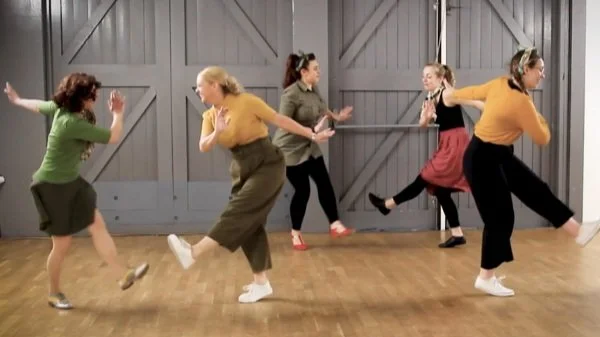
Join us on one of our next courses starting in June. Charleston to In the Mood, dance like you’re in Cabaret with our musicals course, learn our new routine to Lady Gaga’s Born this Way or learn some advanced moves from the 1920s in our Intermediate course.
We have one more round of dance courses before we break for the summer. Charleston, Musicals, Street Jazz and Intermediate course all start on the week of the 13 June, we really hope you can join us for a final dance before you set off on your summer travels.
If you have any questions about the courses please email hello@mycharlestondance.com
CHARLESTON COURSE - IN THE MOOD
Due to popular demand we are creating a new routine to the much loved tune In The Mood. The intermediate routine shown in this video will be the basis for the new routine but pitched to the Open Level group. This routine will combine classic 20's Charleston with some more swing style jazz from the 30's. It's going to be a classic and so much fun to dance.
BRIGHTON & HOVE LEWES WORTHING PORTSMOUTH ONLINE
STREET JAZZ - BORN THIS WAY
We've devised a brand new dance routine to Born This Way by Lady Gaga for our next Street Jazz course. Expect lots of high energy moves to this electro pop number. We can't wait to teach it!
Starts Thursday 16 June, 6pm-7pm
BOOK NOW
INTERMEDIATE CHARLESTON - SNAKE HIPS
On our next Intermediate Charleston course we'll be teaching a solo jazz classic - Snake Hips - fun and a real joy to dance.
Starts Thursday 16 June, 7pm-8pm
BOOK NOW

Why our Speakeasy at Brighton Fringe is our favourite event
We love hosting Twenties themed events but our absolute favourite is The Speakeasy at the Spiegeltent, Brighton Fringe. What makes the event so magical is the venue itself. Built in the Twenties, from the outside it looks like a normal canvas tent but when you enter you will understand why Spiegeltent is the Dutch word for ‘Mirror Tent’
We love hosting Twenties themed events but our absolute favourite is The Speakeasy at the Spiegeltent, Brighton Fringe. What makes the event so magical is the venue itself. Built in the Twenties, from the outside it looks like a normal canvas tent but when you enter you will understand why Spiegeltent is the Dutch word for ‘Mirror Tent’
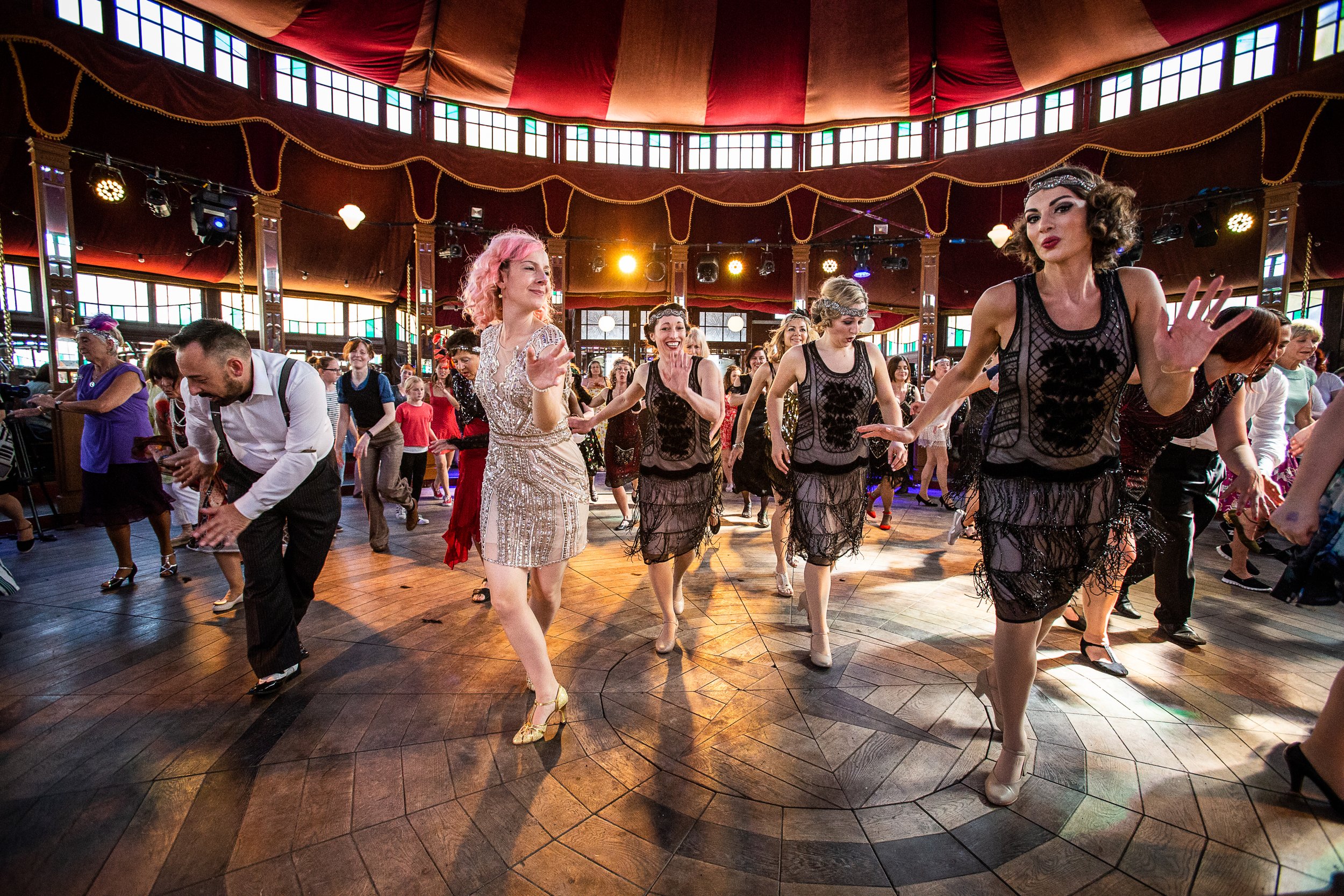
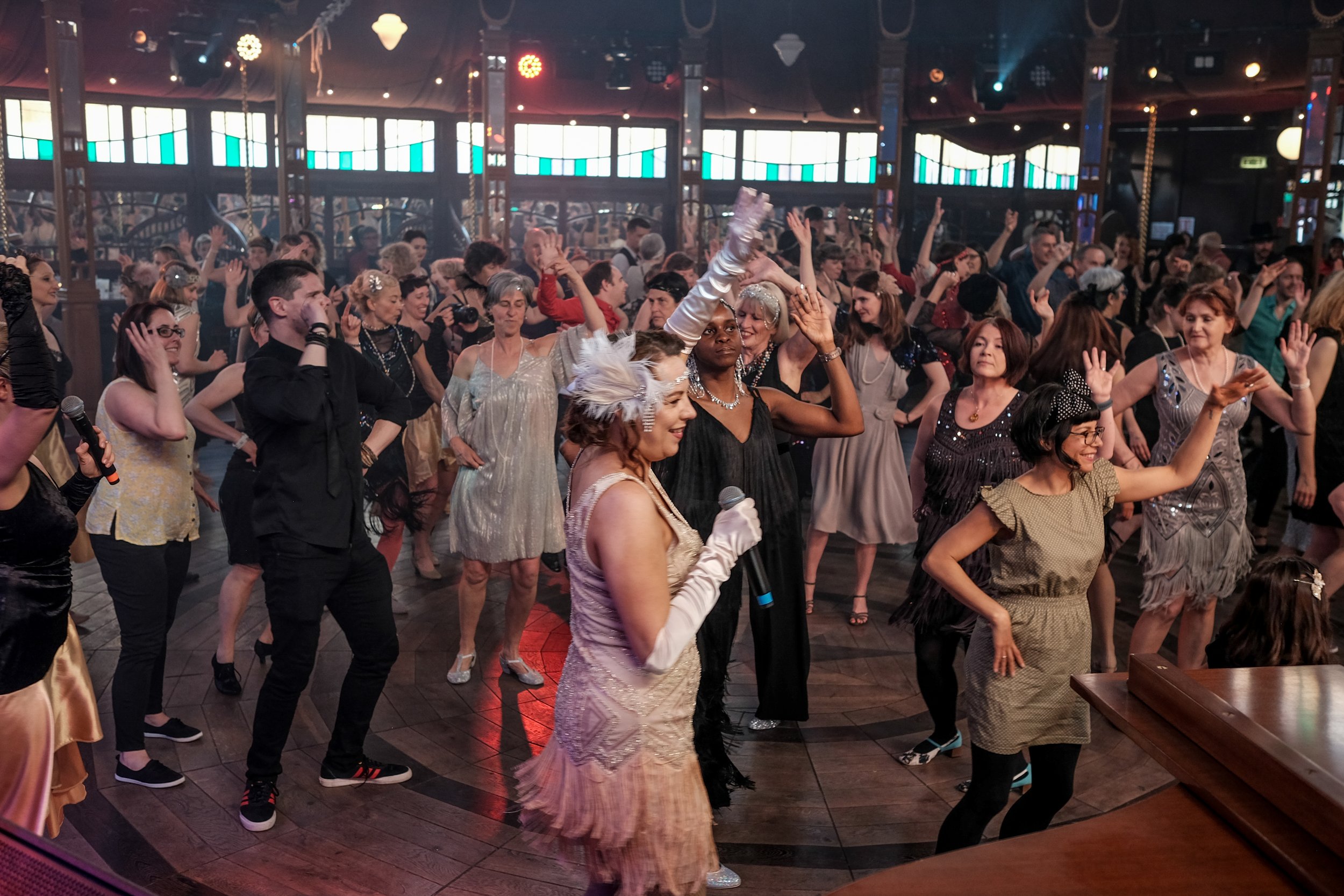
Built in the round with stain glass windows and velvet seating booths which surrounds the wooden dance floor, it is the perfect venue for social dancing. You don’t need any dance experience as we will teach you the Charleston and keep you on the dance floor with some simple dances and our six-piece jazz band.

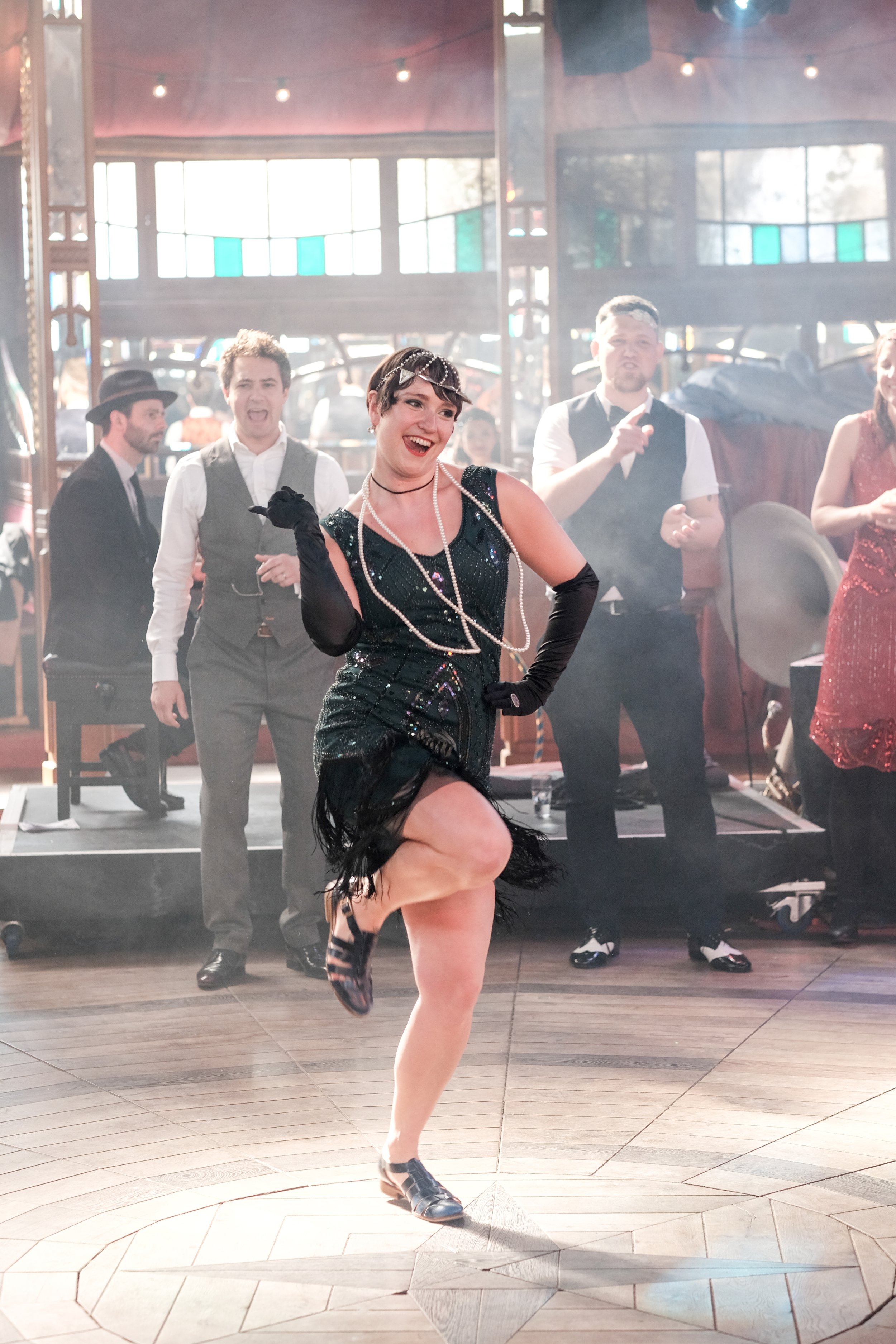
This is a great people watching event too and you will see some fabulous vintage outfits swirling around the dance floor. So when you’re not dancing you can enjoy a cocktail and some entertainment from our Flapper dancers who will perform some classic Twenties routines.

Described as ‘The most inclusive dance event at Brighton Fringe’ we will create a space where anything goes. From glamourous dresses to dungarees, we have seen a full rage outfits over the years, we even once had spiderman! So don’t be shy when choosing your outfit for this event.
The Speakeasy is all about giving the people who come along a good time, it is not a show, you are the event. You will of course learn some dance moves, but you can also dance in any style you choose as we hand the dance floor over to you in the final DJ set.
If you have never been to the Spiegeltent before then take this opportunity to join us for a dance on Saturday 7th May 1-4pm
Tickets start from £12 to book CLICK HERE


.

MyCharleston Speakeasy is back!
We are delighted to confirm we are back at Brighton Spiegeltent for the annual MyCharleston Speakeasy on Saturday 7 July.
MYCHARLESTON SPEAKEASY, Saturday 7 May, 1pm - 4pm
We are delighted to be back in the Brighton Spiegeltent with our Speakeasy event as part of Brighton Fringe.
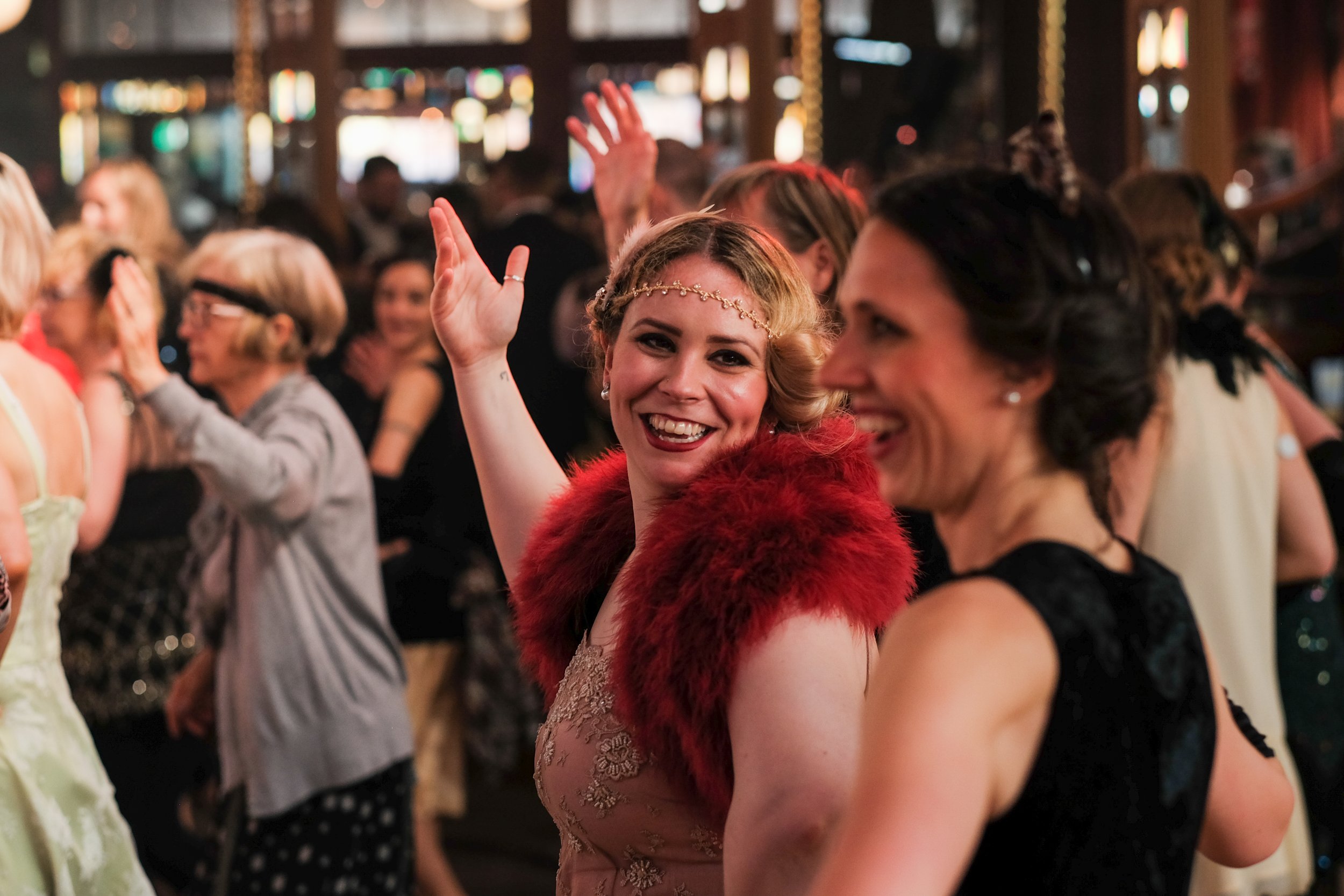
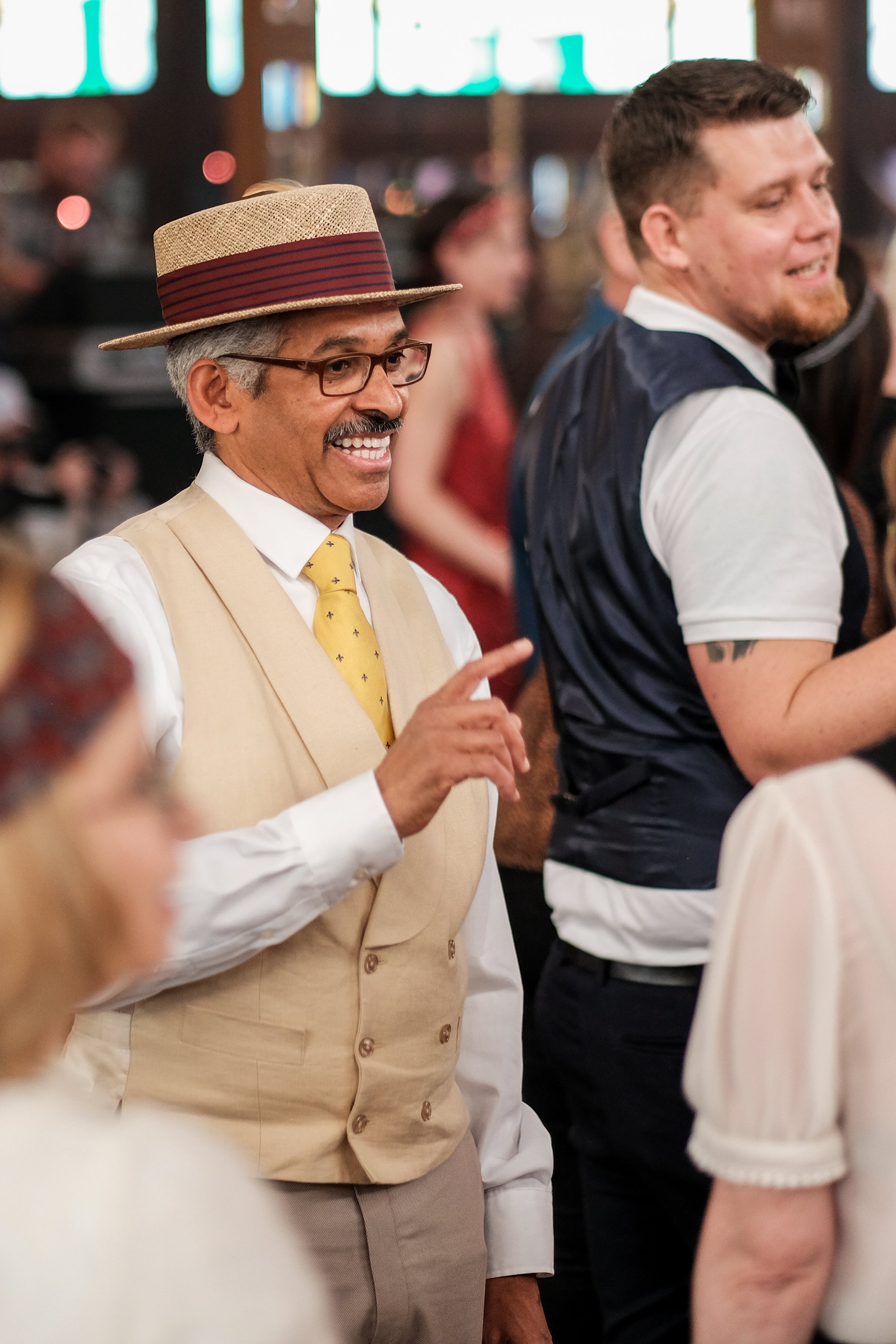
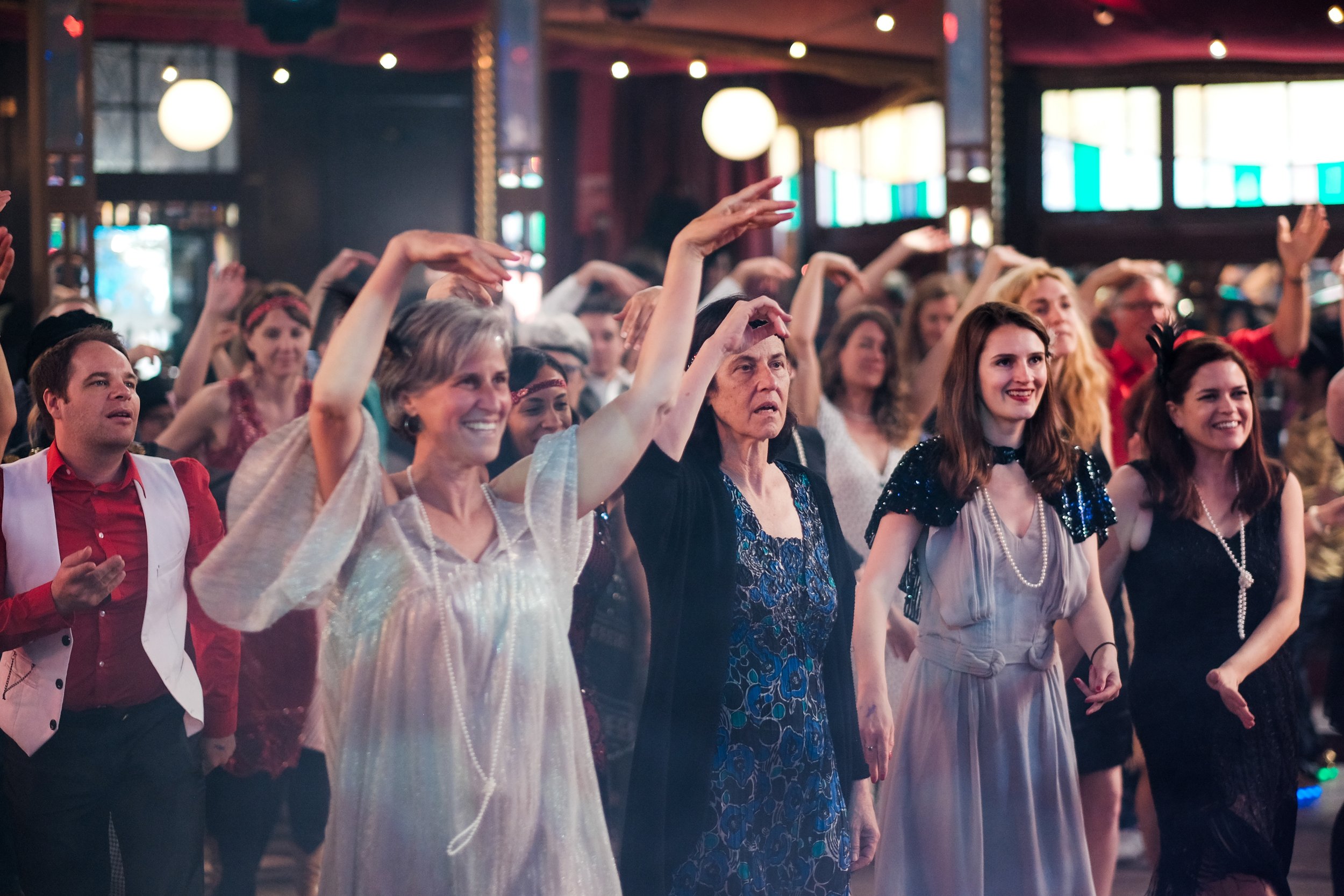
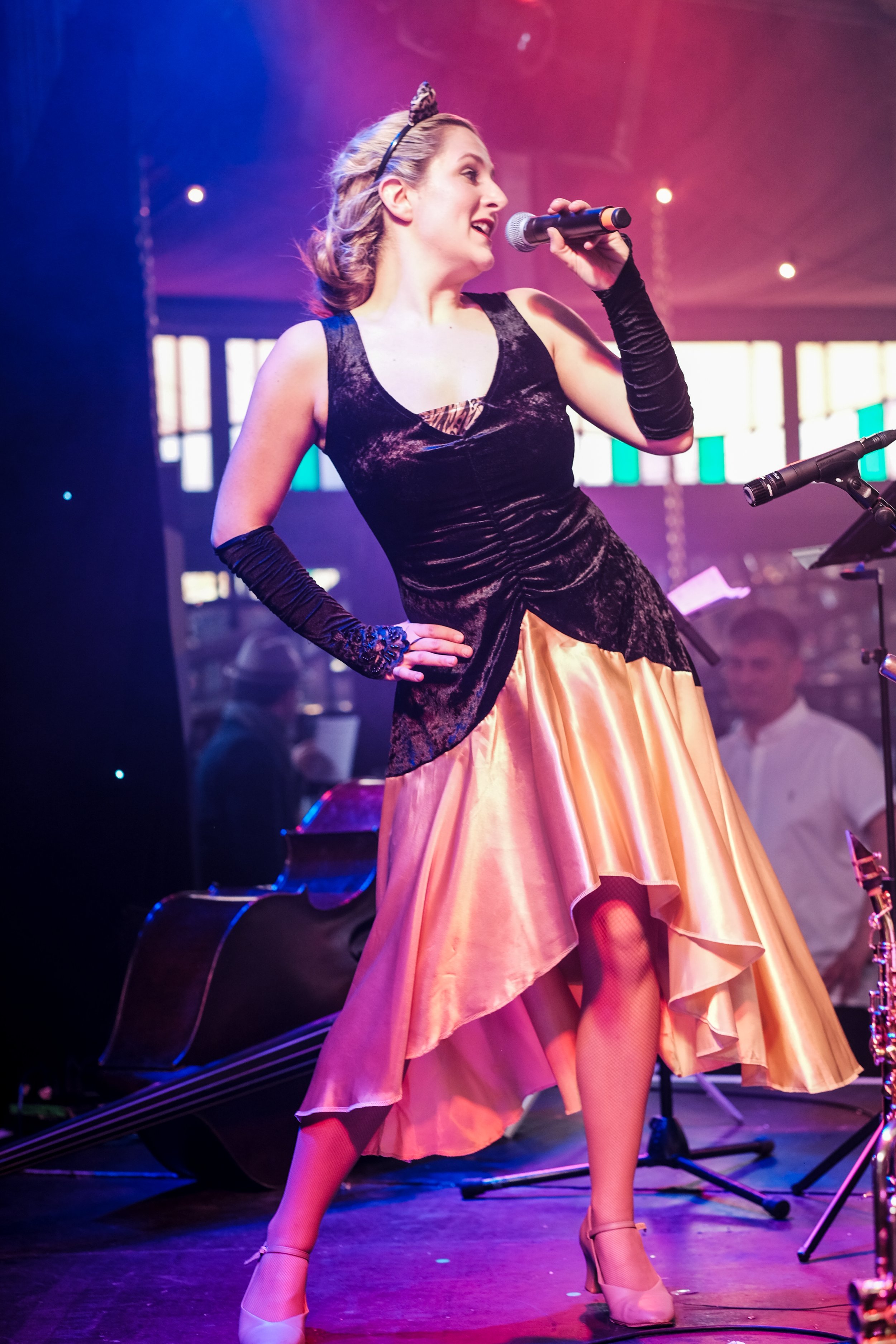
Relive the glamour of the Roaring 20s at the 'MyCharleston Speakeasy'. Experience all the humour and energy of the Charleston with our Hot Jazz band and Flapper girls. With mesmerising performances and group led dances this is your chance to dress up and experience the iconic steps of the 1920s.

Influential Women of the 1920s
Over the years, there have been many influential women who have broken social boundaries and obliterated gender stereotypes in order to try and make a positive change to the way that women are viewed in society in the hope that one day they will be seen as equal. From those who we learn about in school like Harriet Tubman and Emmeline Pankhurst to the women of the 1920s who are often hidden and forgotten about such as Virginia Woolf and Ma Rainey; there is still so much more to learn about these incredible women of the Jazz Age.
Over the years, there have been many influential women who have broken social boundaries and obliterated gender stereotypes in order to try and make a positive change to the way that women are viewed in society in the hope that one day they will be seen as equal. From those who we learn about in school like Harriet Tubman and Emmeline Pankhurst to the women of the 1920s who are often hidden and forgotten about such as Virginia Woolf and Ma Rainey; there is still so much more to learn about these incredible women of the Jazz Age.

What is Feminism and why is it important?
Feminism is defined as ‘The advocacy of women’s rights on the basis of the equality of the sexes.’ This is a concept that has gained popularity throughout the 21st century, with many individuals incorporating feminist values into their core beliefs. Despite the common use of the phrase, it still gets mistaken with the idea of, ‘hatred towards men’ which is the main contributing factor as to why there is so much more work to do in terms of women’s rights; even today.
Feminism in the 1920s
The ‘Roaring Twenties’ was no stranger to the concept of Feminism and was an important decade for radical change in terms of women’s history. Uptight Victorian values were being slowly forgotten about, and society was changing in ways that had never been seen before. Women’s right to vote came into force in 1920 which was a long-awaited pivotal moment and, to some extent, gave them autonomy over the way they expressed themselves within society. As their newfound political confidence grew, so did their daring attitudes and the demand for social and liberal change was at the forefront of women’s minds. As a result of this, despite the lack of equal opportunities within the workplace, the population of women in work had almost doubled by 1921.
Virginia Woolf: an inspirational author
Virginia Woolf, a female of author of the 1920s, was known for her radical ideals in terms of women’s rights and through her written works, paved the way for women to have an active role in literature. Despite her lack of socialist values, Woolf was named the, ‘Foremother of the Feminist Movement’ due to her belief that women should be provided with an education and allowed to make their own money without being tied into marriage. Woolf’s depiction of a married women was highly rejected throughout the 1920s as she removed the idea of the traditional, submissive housewife and replaced it with a ‘rebellious’ woman who demanded for equal treatment within the family home and in wider society as a whole.

Woolf also made sure to rewrite the rules of literature within her works through including aspects of her own life to portray the prevalence of mental illness in women. This was a topic that was not openly spoken about during her time of writing. Woolf, herself, suffered from bipolar disorder but, like many other women with mental health conditions in the 1920s, she was refused treatment and viewed as ‘insane’ by medical professionals as they believed she was just a woman who was, ‘hysterical and overly emotional.’ The lack of medical intervention consequently led to an early death, which was a common occurrence for women with mental illnesses during the 1920s.
Furthermore, Virginia Woolf was also part of the Bloomsbury Circle which was a group of literary eccentrics who actively advocated for the LGBTQ+ community and their rights. Woolf herself had romantic relationships with women which inspired her 1928 novel, Orlando, which is one of the first novels recorded to ever explore gender fluidity and is also known to be the first novel in the English language to have a transgender character.
Josephine Baker: a 1920s icon
When you hear the name ‘Josephine Baker,’ immediately banana skirts, iconic performances and pet Cheetahs come to mind but what you don’t think of is everything else that went on in between her successes on stage which makes Josephine Baker one of history’s biggest icons who we should all know and appreciate.
From a young street performer to civil rights activist later on in life, the question is, was there anything that Josephine Baker didn’t do? It appears not. From the moment she was born in 1906 to her unfortunate death in 1975 Josephine achieved what many couldn’t and made history, not only for African Americans but also for women.
From very early on, Baker was subjected to extreme racism and horrific abuse and at a young age was put to work, cleaning for rich, white families. To make her situation more bearable she began to create little routines to perform on the streets in exchange for money; little did she know that this would be the beginning of a life on the stage. At the age of 13, she travelled solo to New York and got a job in two black stage shows, ‘Shuffle Along’ and ‘The Black Dandies.’ These shows became a huge success as they were two of the first Broadway performances to feature black, African Americans. By this time Baker was beginning to embrace the full originality of the Jazz Age yet the rest of American society were still sceptical of women and their new-found sense of freedom that they often mocked her quirky style of dance.
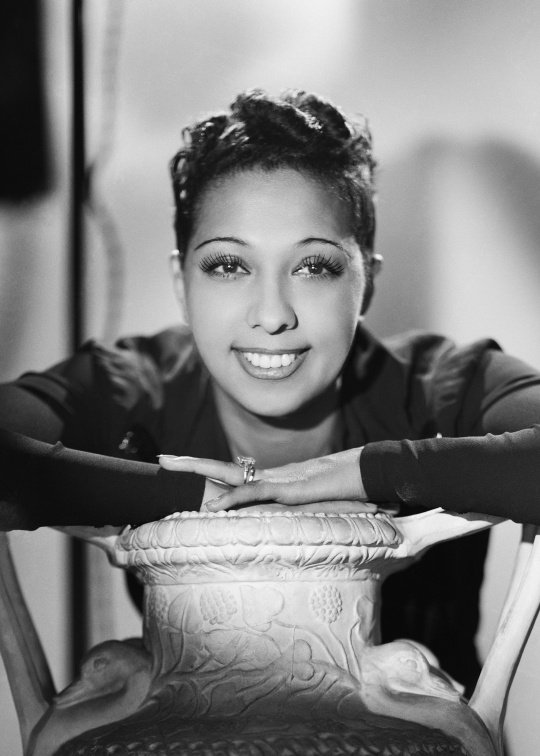
In addition to her life in show business, Josephine Baker was also a civil rights activist and a spy for the French Resistance where, in World War II, she used her status to travel Europe to infiltrate Military bases in order to divulge secret information, which she would then write in invisible ink on sheet music to bring back to the French officials. In order to gain respect from the male soldiers, she would perform for them in the hope that, “if they applaud [her] they would never acquire a hatred for colour.”
From the very beginning of her life, Josephine Baker went against societal norms and pushed boundaries in terms of female sexual expression which, in turn, paved the way for liberal change. She took pride in the power of being different and made total disregard for the idea that women should be silent.
Ma Rainey: The woman who changed Blues
Although Gertrude ‘Ma’ Rainey was a huge success in the 1920s, many don’t know the name of this Blues Singer who eradicated racial segregation through her revolutionary music. With her satin gowns, capped gold teeth and necklaces made of gold coins, Ma Rainey became an instant success and was given the title, ‘The Mother of Blues’ which she upheld right the way through her musical career and into her retirement.
Despite the success of her works, she was heavily mocked by the music industry for being a black woman and was frequently told that she would never make it and as a result, only performed and made music for 5 years. However, even though her career was short lived, she recorded over 90 singles, and many had become world hits by the time she retired. Due to the immense scale of her popularity, white people defied the rules of segregation in 1920s South America to watch her shows. These performances were some of the first few occasions that the integration of race occurred in South America.

Ma Rainey was also a pioneer for black women who identify as part of the LGBTQ+ community and fought for them to have the opportunity to actively participate in the music industry. Identifying as bisexual herself, Ma Rainey was able to represent a group of individuals who were often overlooked in society and gave them a voice to speak up about injustice. However, identifying as anything but heterosexual during the 1920s was illegal and as a result, Rainey was arrested for having a relationship with another woman.
It is clear from the beginning of her career that she was unafraid to go against the law and the societal pressures that were present at the time as she sang about dark, taboo, and controversial topics such as murder, mental health, drinking and femininity as well as being unapologetically open about her sexuality and gender expression.
I think it is safe to say that all of these women are nothing less than iconic and highlight how women uphold the power to change the world, but who is your favourite? Are there any other women of the 1920s that you admire?
We would love to hear your thoughts.
By: Eleanor O’Donnell

History of the 1920s Speakeasies
Find out about the secret 1920s Speakeasies of America including how they allowed people from different backgrounds to socialize together and how they gave newfound freedom to women.
Just over 100 years ago, the birth of the ‘Jazz Age’ occurred and secret Speakeasies were beginning to pop-up all-over America. Upon entrance, you would be greeted with the sound of laughing, the clinking of drinks and most importantly Jazz. This new way of life allowed for social interactions to occur between people of different race, ethnicity, gender and socioeconomic statuses and without them, we may not have gotten where we are today in terms of integration.
What is a Speakeasy and why were they created?
Throughout the early years of the 20th Century, America was in turmoil in terms of political and social reform with more and more people rebelling against the traditional ways of life which stemmed from the Victorian times. At the beginning of the decade known as the ‘Roaring Twenties’ the United States of America had just entered the Prohibition era where liquor and other alcoholic beverages were illegal between the years of 1920 and 1933. This resulted in the formation of illicit Speakeasies and at one point, there were thought to be over 100,000 Speakeasies in New York alone.
The phrase, ‘Speakeasy’ originates from a term that bartenders used where people needed to, “speak easy” (quietly), when ordering at the bar in order to not draw attention to the prohibited act of buying alcohol. In order to gain access to these illicit bars, a password, specific handshake or secret knock was required. Furthermore, slang words for alcohol such as ‘coffin varnish,’ ‘monkey rum’ and ‘tarantula juice’ were created to fool police and neighbours.
As well as the term, ‘Speakeasy’, these illegal taverns were also called “Blind Pigs” or “Gin Joints” and were often set up by crime members such as the infamous Al Capone. The venues ranged from Jazz clubs with dancefloors to dark backrooms, basements and a new Prohibition-created venue: The House Party.
Due to the fact that alcohol was illegal, organisers of such events had to come up with inventive ways to transport and store the goods. Many Speakeasies operated under the guise of being a pharmacy and claimed alcohol was being sold for, “medicinal purposes.” Others used false books, coconut shells, garden hoses and even prams with their babies perched on top to transport the illegal liquor from one event to another.
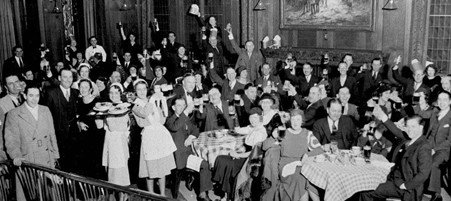
1920s Prohibition Speakeasy
The Significance of Speakeasies for Women
Before World War I finished in 1918, women and young girls were expected to uphold traditional Victorian values in terms of the way they dressed, spoke and behaved in public and within the home. However, just six months after the Prohibition law came into force in 1920, women got the right to vote which was a long-awaited pivotal moment and gave them autonomy over the way they expressed themselves.
Prior to the setup of Speakeasies and this new way of life, women would have had no place in bars unless they were a showgirl; yet now exposed to this easy access, social and liberal change were in full swing in the “Jazz Age.” With their short skirts, bobbed hair and the sudden ability to drink copious amounts of cocktails, the concept of the ‘Flapper’ was born. The gender gap was practically non-existent within these social events as men and women drank, danced and smoked together, which was something America had never seen before and put Jazz Music to blame for the ‘immorality’ this newfound freedom gave women.

1920s Flapper Girls
How did the Charleston play a part in Speakeasies?
The Charleston first became popular in America and was enjoyed by many young people throughout the 1920s and was danced to ragtime Jazz music which quickly became a craze all over the world. The Charleston became particularly popular with rebellious young women, known as ‘Flappers’ and the dance was a physical representation of how young people (girls in particular) wanted to express themselves.
Speakeasies played an integral role in keeping The Charleston dance culture alive because it was banned in regular bars, clubs and dance halls as it was deemed too scandalous and exuberant..

Charleston Dancing at a Speakeasy in Harlem 1920
If you want to find out more about what a Speakeasy would look like now, 100 years on, then check out MyCharleston’s blog MyCharleston Speakeasy 2021
If you fancy giveing the Charleston dance ago, take a look at our in-studio and online courses.
By Eleanor O’Donnell

Things you never knew you wanted to know about the Charleston
On the recent It Takes Two, ex-Strictly professional Janette Manrara gave us the low down on all things Charleston; from facts you never knew you wanted to know about the dance, to the history of the Charleston on Strictly and why it was such a significant part of the 1920s.
On the recent It Takes Two, ex-Strictly professional Janette Manrara gave us the low down on all things Charleston; from facts you never knew you wanted to know about the dance, to the history of the Charleston on Strictly and why it was such a significant part of the 1920s.
History of the Charleston Dance
The Charleston first became popular in America and was enjoyed by many young people during the decade known as the ‘Roaring Twenties.” As the United States of America had just entered the Prohibition era where alcoholic beverages were illegal, between the years of 1920 and 1933, many took this dance underground, forming illicit Speakeasies. At one point, there were thought to be over 100,000 Speakeasies in New York alone.

1920s Underground Speakeasy
Even though these events were forbidden; they existed in abundance and allowed for social interactions to occur between people of different race, ethnicity, gender, and socioeconomic statuses and without them, we may not have gotten where we are today in terms of integration.
These venues quickly became established institutions and prior to the setup of these new saloons, women would have had no place in bars; yet now exposed to this easy access, social and liberal change were in full swing in the ‘Jazz Age.’ With their short skirts, bobbed hair and daring attitudes, America had never seen anything like this before and put jazz music to blame for the ‘immorality’ that this newfound freedom gave women.
If you want to find out more about the social reforms of the 1920s, checkout MyCharleston’s blog Flappers & Feminism
Charleston on Strictly Come Dancing
Since the first Charleston performance back in 2009, Strictly Come Dancing has blessed our screens with a whopping total of 114 Charleston dances with an average score of 32. Although the Charleston hasn’t been a permanent fixture from the beginning of the show, there have been some of the greatest routines inspired by the Roaring 20s that have topped the leader board, and in some cases, were the winning dance.
Let’s take a closer look as to why these dances are so twenties-tastic and how they scored top marks.
Chris Hollins and Ola Jordan
Chris Hollins and professional partner Ola Jordan were the first couple to ever dance the Charleston on Strictly Come Dancing. Back in 2009, Chris and Ola performed a highly entertaining number to Paul Williams’ ‘Fat Sam’s Grand Slam’ from the iconic musical Bugsy Malone. Whilst watching this routine, that was choreographed by Ryan Francois, it is impossible not smile; the facial expressions and characterisation that they both portray are absolutely second to none. They performed this routine in week 11 and again in the final where they scored the top mark of 50 which resulted in them lifting the glitterball for Series 7. This dance has everything that you would want to see in a Charleston and the fact that it was the first ever one, highlights what the show was missing in previous seasons as it perfectly encapsulates what Strictly is all about- FUN!
Joe McFadden and Katya Jones
Joe McFadden and Katya Jones performed their Charleston to, “Alexander’s Rag Time Band” by Ella Fitzgerald back in 2017. The duo were dressed as toy marching band soldiers and they certainly brought the entertainment and cheekiness to the dancefloor whilst executing extremely technical choreography with finesse, which scored them a highly respectable 36 out of 40. The whole routine was very creative and matched both Joe and Katya’s energy perfectly which therefore allowed them to perform with passion- you can tell they are genuinely enjoying themselves. Despite their near perfect score, the couple did manage to win series 15 and take home the Strictly Glitterball!
Faye Tozer and Giovanni Pernice
Faye Tozer, best known as a singer from the popular British pop group ‘Steps,’ and professional partner Giovanni Pernice performed a unique Charleston to, “Lonely Goatherd” from the Sound of Music in 2018 which earned them the perfect score of 40.
Despite the slightly irritating choice of song that doesn’t fit the jazzy 1920s Charleston vibe that we all know and love, this could easily be one of my favourite routines that has ever been on Strictly. I think many loved this Charleston routine for that very reason- it does not fit a mould, it is unique. The way they were able to transform themselves into puppets was just mesmerising and every minute detail was danced to perfection, therefore further enhancing the illusion of puppets. It appears all of the judges agreed with how well the pair executed their Charleston because not only were they rewarded with a spot at the top of the leader board, but they also received a highly positive compliment from Darcey Bussell who stated it was, “Stunning to perfection.”
Since 2009, there has been some truly amazing Charleston dances; from the late Caroline Flack’s Charleston which scored the perfect 40 back in 2014 to AJ Odudu’s awe-inspiring 1920s number from series 19.
Which Charleston has been your favourite? We would love to hear your thoughts :)
If you’re now feeling inspired to channel your own inner Josephine Baker or Leon James why not check out MyCharleston’s ‘Move of the Week’ and get those feet swivelling to transport you back to the 1920s…
By: Eleanor O'Donnell

Meet Worthing Dance Teacher Rachel Hulme
Meet MyCharleston's teacher Rachel Hulme who teaches in Worthing by reading our Q&A
Dance teacher Rachel Hulme teaches our Charleston dance classes at Dance House Studios in Worthing. She’s taught with us for over 6 years and is also a dancer and the choreographer for our performance troupe, Ragtime Rascals. Find out more about her by reading our Q&A.

Rachel teaching Worthing dance class
Why did you become a dance teacher?
When MyCharleston started classes in Hove (then called iCharleston Brighton). I was the first student to sign up to the classes. I remember it was a Boxing Day, in the pub and I had taken some time away from dancing to concentrate on my corporate career. I just needed to get my butt moving. After a short time of doing the courses with Fiona and Elena, they asked me to do some performances in the local community and we formed a performance troupe (Savoy Kicks). It naturally led on to covering some classes from time to time until I had my own dance class in Worthing.
What is it that you love about the teaching dance classes is Worthing?
I love that its often quite fast in pace and it has a lot of freedom to perform moves in different ways. There are a lot of variations for all ability’s or styles

Performance Troup Ragtime Rascals
When did you get into dance and what style was it?
I think like many little girls my Mum took me first to ballet and tap. I always did well in tap but in ballet I was often told to stand still, I was just full of energy. After a few years of that a Disco (freestyle) class started up in the local community centre. I fell in love quickly with the fast music and the energy, ballet and tap were soon out the window. I competed in competitions until I was 18 when I took some professional opportunities. There have been many styles along the way from Latin & Ballroom to Krumping and West Coast Swing.
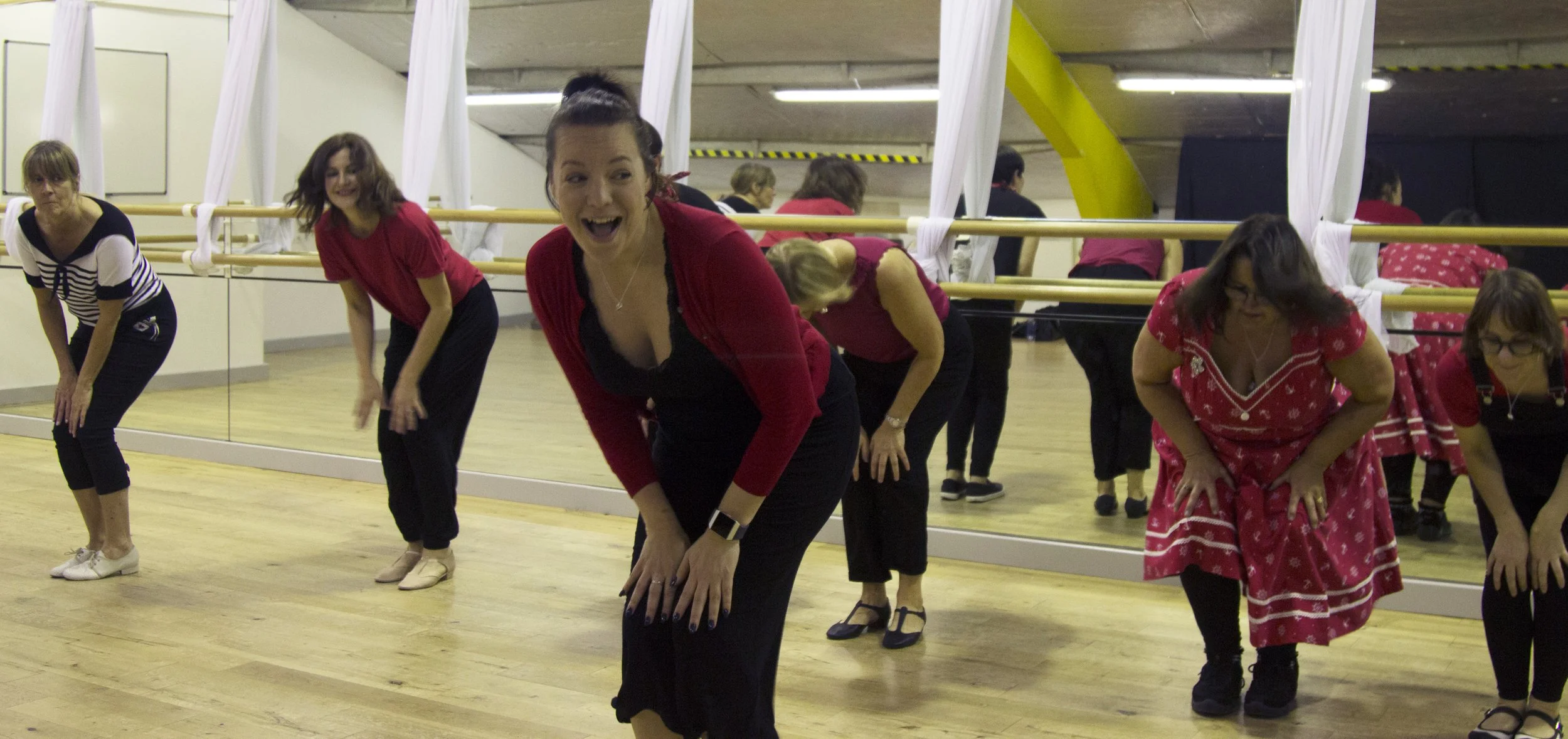
Rachel teacing a Worthing dance class
Where do you live and what do you do when you’re not dancing?
I live in Worthing and I have a full time corporate job in information security and data protection, when I am not working or dancing (which takes up most of my week) I do like a good Netflix binge or a good book. I also enjoy cooking and unfortunately eating.
One fun fact about you?
I once entered a TV talent show (before the big boom of the many we have now). I was judged by Arlene Phillips and Wayne Sleep. Arlene Phillips description of me was “Averagely Average”. I am thinking of having this in my obituary when I die.
Like to know more about Rachel? Read her blog post about her story Swapping Pom Poms for Pearls.
The Charleston 6 week dance course with Rachel takes place every Wednesday, 7pm at Dance House Studios, Worthing. Find our more about the course.

Strictly Review: Dan Walker and Nadiya Bychkova
Last Saturday, Musicals week blessed our TV screens, and we were treated to a jam-packed evening featuring some of the nation’s favourite musicals. From an opening number to the iconic “Cabaret” by Liza Minnelli to a couple’s choice to “On My Own” from Les Misérables- they had it all.
Last Saturday, Musicals week blessed our TV screens, and we were treated to a jam-packed evening featuring some of the nation’s favourite musicals. From an opening number to the iconic “Cabaret” by Liza Minnelli to a couple’s choice to “On My Own” from Les Misérables- they had it all.
On Saturday, TV Presenter Dan Walker and professional partner Nadiya Bychkova were the lowest scoring couple of the night after dancing the Charleston to, “Good Morning” from Singin’ In The Rain.
It appears that Dan and Nadiya’s Charleston has caused controversy amongst the Strictly fandom with mixed opinions being shared about the dance. Even though some were in agreement with the higher scoring from the judges, many thought it was overmarked and one critic even stated that Dan’s dances, “[were] getting repetitive and past their sell-by-date.”
Do you think the couple deserved their score or are you more in agreement with the critics? Let’s take a closer look…
The routine begins with both Dan and Nadiya setting the scene in true Musical style and after a few bars of music, they break into Charleston Swivels, Kicks, Washy Windows, and a brief Piggy-Back section- as a result they received lots of whoops and cheers from the audience. At 0:59, we see the couple throw themselves into a lift, which left one critic stating that, “[they] have never seen Dan so confident before now.” The routine then progresses, and we see the couple complete a series of Knee Slaps, a Box Step and what Dan called “Sofa-ography,” followed by another lift. The routine ended with a quick set of perfectly synchronised Runs before both Dan and Nadiya take their final position on the sofa.
The choreographer behind this musical masterpiece was Jenny Thomas (check out her Instagram here) and her assistant Sean Moon. The routine that the pair created for Dan and Nadiya was well suited to Dan’s dancing abilities and not only allowed him to show-off his newfound confidence, but also perfectly captured what Musicals week is all about- having fun!
For me, I’m not really sure what to think of this routine as a whole. The characterisation that Dan portrayed was brilliant-especially his facial expressions and he was clearly enjoying being able to channel his inner Gene Kelly which was a pleasure to witness. However, even though I cannot pinpoint what it was, I also felt there was something missing from their Charleston. For this reason, I felt it prevented the dance from encapsulating the audience into a fully immersive musical experience, which I thought was a factor at the forefront of many of the other dances throughout the evening. That being said, I still really enjoyed their Charleston and the fact that Dan is a non-dancer and yet is inspiring other men to dance is something that I have huge respect for.
As a result, there were mixed opinions from the Judges. Head Judge Shirley joyously stated that, “from week 1 to week 9 [he] has pushed that performing element” and despite the slight technical hitch that the studio suffered, she thought it was, “[his] best dance so far.” This alongside Anton Du Beke statement that it is, “such a thrill to watch someone grow in the way that [Dan] has” highlights the sheer dedication that Dan possesses when faced with a new challenge every week.
Despite these positive comments, Cynthia Erivo (a stand in judge for Craig Revel-Horwood whom has unfortunately tested positive for COVID-19), provided Dan with some constructive criticism, stating that he needs to, “finish those lines because you have a partner who finishes everything/make sure everything is elongated.”
Even though the couple ended the evening at the bottom of the leader-board with a score of 31, they managed to narrowly miss the dance off and are able to confidently swivel their way into week 10.
Scores:
Cynthia Erivo - 7
Motsi Mabuse – 7
Shirley Ballas – 9
Anton Du Beke – 8
MyCharleston – 7
By: Eleanor O'Donnell
Fancy learning to dance the Charleston? The take a look at our January courses

Strictly Review: Rhys Stephenson and Nancy Xu
Last Saturday, we were treated to the highest scoring Charleston of the series so far. Strictly Come Dancing contestant and CBBC Presenter Rhys Stephenson and professional dancer Nancy Xu earned their spot at the top of the leader board after dancing the Charleston to “The Charleston” by Bob Wilson and his Varsity Rhythm Boys.
Last Saturday, we were treated to the highest scoring Charleston of the series so far. Strictly Come Dancing contestant and CBBC Presenter Rhys Stephenson and professional dancer Nancy Xu earned their spot at the top of the leader board after dancing the Charleston to “The Charleston” by Bob Wilson and his Varsity Rhythm Boys.
However, despite the fact the couple got top marks, some fans were upset by this scoring. Even though all four judges whipped out their 10 paddles, a few believed the dance to be overmarked and one critic even went as far to comment that it was, “nothing compared to AJ’s Charleston last week.”
Do you think the couple deserved the perfect score or are you more in agreement with the harsh criticism? Let’s take a closer look…
The routine opens with both Rhys and Nancy setting the scene in a rowing boat. After a few bars of music, Charleston content is already at the forefront of this routine; therefore, immersing the audience into the 1920s spirit and preparing us for the jammed packed Charleston adventure the couple are about to embark on. Rhys begins with a solo and greets the audience with Charleston Swivels shortly followed by a Scarecrow, Charleston Runs and then a brief section in hold. At 0:50, we see the couple launch themselves into a nerve-wracking lift, leaving the audience awe inspired and one critic feeling as though, “[they] had time travelled back to the 1920s.” The routine then progresses, and we see the pair jump into Charlie Chaplin’s, Knocky Knees, Itches and then straight into a further series of complicated lifts. Nearing the end of the track, the tempo changes which results in the pair completing their final section at a faster pace, leaving one fan stating that, “despite this change they remained perfectly in synch” and another comparing the couple’s energy to the “Duracell bunny.” The routine ended with a quick set of kicks before Rhys lifts Nancy into their final position.
The choreographer behind this masterpiece of a dance was Jenny Thomas (check out her Instagram here) and her assistant Sean Moon. The routine that they created for Rhys and Nancy really captured the essence of what the Charleston is all about. The choreography chosen was also well-suited to Rhys’ dancing abilities; therefore, allowing him to showcase his energy and technique to perfection.
For me, I thoroughly enjoyed watching this routine and, like many others, was thrilled when they got the 10s across the board. Rhys’ energy and performance skills were second to none and the fact that this is Nancy’s first ever partnership and perfect score; made it all the more special to watch.
As a result, the comments from the Judges were overall very positive and complimentary. Head Judge Shirley stated, “all [she] wants to do is just get up and dance with [Rhys]” and how he is the “king of side-by-side.” This alongside Motsi’s comment that, “this has to be the Charleston of the series [because] up until now, that is the best Charleston we have seen,” left the couple speechless. Even Craig could not stop himself from smiling as he told Rhys he thought it was, “Ah-Maz-Ing!”
Rhys and Nancy Flapper Walked their way to success with their leader board-topping score of the perfect 40; therefore, securing them a spot in next week’s Musical week.
Scores:
Craig Revel Horwood – 10
Motsi Mabuse – 10
Shirley Ballas – 10
Anton Du Beke – 10
MyCharleston – 10
By: Eleanor O’Donnell
Like to learn some of those Charleston steps? Then find out about our Charleston adult dance classes

MyCharleston Flash Mobs
Fiona from MyCharleston tells us about creating a flash mob for her sister’s 50th.
They say dance is a gift, so I took that saying literally by creating a surprise dance flash mob for my sister’s 50th birthday party. Set to Queens’ Don’t Stop Me Now. I had a bit of a laugh choreographing interpretive dance moves which literally acted out the lyrics.

My big sister Siobhan has a huge group of friends who I got to know when we did the Friday night dance parties (truly a Lockdown silver lining) They are all fantastic dancers and were totally up for getting together on Zoom to learn the routine.
When the big day dawned the heavens opened, it rained so heavily they had to build drains into the marquee to stop it leaking! The rain didn’t stop and having run around all day, I really felt for my sister and her husband Scott.
Guests arrived, drinks were poured and just as Siobhan announced the buffet food was ready we jumped up and danced our little socks off. The look on Siobhan and Scott’s face was a picture, they both visibly relaxed and party went into full flow. The best part for me was that the dance floor never emptied from that point on!
I love surprising friends with a dance flash mob, I did my first one to Fame at a friend’s 40th 10 years ago. I recently got a request from someone who said they no longer wanted to buy ‘things’ for people and so we are organising a dance party for her and her friends. I thought it was such a lovely idea and let’s face it dance is a great gift.
If you would like to a dance experience with MyCharleston then get in touch at hello@mycharlestondance.com or for more details about what else we offer visit Hire Us
By Fiona Ring